
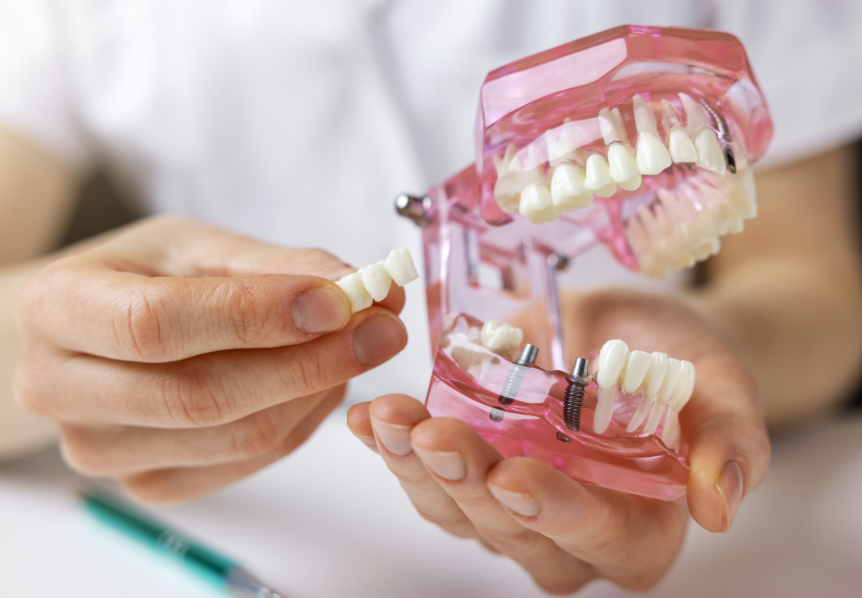
Dental implants are one of the most reliable and natural-looking ways to replace missing teeth. Unlike traditional dentures or bridges, implants are designed to replace both the visible portion of the tooth and its root, providing long-term stability and function. If you’re considering dental implants, you may be wondering whether you qualify for the procedure.
While many adults are candidates for dental implants, certain qualities can increase the likelihood of successful treatment. However, the only way to know for sure if implants are right for you is to schedule an evaluation with your dentist.
Healthy Gums Are Important
Your gums play a major role in supporting dental implants. Healthy gum tissue helps protect the implant and surrounding bone from infection and inflammation.
Patients with active gum disease may need treatment before moving forward with implants. Conditions like gingivitis or periodontal disease can weaken the structures that support the implant and increase the risk of complications.
Fortunately, having a history of gum disease does not automatically disqualify you. Many patients can still become good candidates after improving their oral health with professional care.
Adequate Jawbone Density Matters
Dental implants are placed directly into the jawbone, where they function similarly to natural tooth roots. Because of this, having enough healthy bone is essential for keeping the implant stable and secure.
When a tooth has been missing for a long time, the jawbone in that area may begin to shrink due to lack of stimulation. In some cases, patients may need a bone graft before receiving implants.
Modern dentistry has made implants possible for more people than ever before, even those who have experienced some bone loss. Your dentist can evaluate your jaw using digital imaging to determine whether additional treatment is needed.
Good Overall Health Supports Healing
Dental implant placement is a surgical procedure, so your body’s ability to heal properly is important. Patients who are generally healthy often experience smoother healing and better long-term implant success.
Certain medical conditions, such as uncontrolled diabetes or immune disorders, may affect healing and increase the risk of complications. Smoking can also interfere with the body’s ability to heal around implants and may reduce treatment success over time.
That doesn’t necessarily mean you cannot get implants if you have health concerns. Your dentist will review your medical history carefully and discuss whether any precautions or additional steps are needed.
Commitment to Oral Hygiene
Dental implants require the same kind of daily care as natural teeth. Brushing, flossing, and regular dental visits are essential for maintaining healthy gums and protecting the implant over time.
Patients who are committed to good oral hygiene habits are often excellent implant candidates because they’re more likely to maintain the long-term health of their restoration.
Even though implants cannot develop cavities, the surrounding gum tissue and bone can still become infected if oral hygiene is neglected.
A Desire for a Long-Term Tooth Replacement
Many patients choose dental implants because they offer exceptional stability, comfort, and longevity. Unlike removable dentures, implants stay securely in place and allow patients to eat, speak, and smile with confidence.
If you’re looking for a long-term solution that closely mimics natural teeth, dental implants may be an excellent option to explore.
Still, every smile is unique. The best way to determine whether dental implants are right for you is to schedule a consultation with your dentist for a complete evaluation and personalized treatment recommendations.
About the Practice
Granger Dental Group provides comprehensive dental services, including restorative and implant dentistry, to help patients rebuild healthy, confident smiles. Dr. Joseph Hickey and our experienced team use modern technology and personalized treatment planning to determine the best tooth replacement solutions for each patient’s needs.
Call us at (574) 277-4235 or schedule your appointment online.