
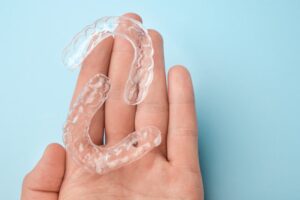
Smile Shapers clear aligners are designed to fit snugly over your teeth and gradually move them into their ideal positions. While each new set of aligners may feel slightly tight at first, they should still seat properly with gentle pressure. If your aligners won’t fit correctly, don’t panic, but don’t try to force them into place either.
Here are some of the most common reasons aligners don’t fit and what you should do next.
Make Sure You’re Using the Correct Aligner
It may sound simple, but it’s surprisingly easy to accidentally switch aligners or wear them out of order. Before assuming something is wrong, double-check that you’re wearing the correct upper and lower trays and that you’ve advanced to the proper stage of treatment.
Using the wrong aligner can make it seem like your trays no longer fit, even though your treatment is progressing normally.
Think About Your Wear Time
One of the most common reasons aligners don’t fit is inconsistent wear. Smile Shapers aligners should typically be worn for 20 to 22 hours each day to keep your treatment on schedule.
If you’ve been leaving your aligners out for extended periods, your teeth may have shifted slightly, making the next set of trays difficult to seat completely.
If your current aligners still fit, continue wearing them as instructed and contact your dentist before moving on to the next set.
Don’t Force the Aligners
If an aligner feels extremely tight or won’t fully fit over your teeth, avoid biting it into place or forcing it with excessive pressure. Doing so could crack the aligner or place unnecessary stress on your teeth.
Instead, contact your dentist. They can determine whether the issue is caused by delayed tooth movement, an improperly manufactured aligner, or another factor affecting your treatment.
In some cases, your dentist may recommend wearing your previous aligner for a few extra days or ordering a replacement tray.
Schedule an Appointment
If your Smile Shapers aligners still don’t fit after checking the basics, it’s time for a professional evaluation. Your dentist will examine your teeth to ensure they’re moving as expected and determine the best way to get your treatment back on track.
It’s also a good idea to mention if you’ve recently lost an attachment, experienced dental work, or noticed a damaged aligner, as these factors can affect how your trays fit.
The best way to avoid fit problems is to wear your aligners consistently, follow your treatment schedule, and attend your regular progress appointments. A poorly fitting aligner doesn’t necessarily mean your treatment has failed. In many cases, the issue can be resolved quickly with guidance from your dental team.
About the Author
Dr. Joseph Hickey has served the community of Granger, IN at Granger Dental Group for more than a decade. He earned his dental doctorate at the Indiana University School of Dentistry and completed a 1-year residency with the Academy of Straight Wire and Functional Orthodontics to expand his knowledge in the orthodontic field. Today, Dr. Hickey forces on clear aligner therapy as an image-friendly means for his patients to achieve beautiful, straight teeth. If you’re interested in Smile Shapers treatment, schedule an appointment online or call (574) 277-4235.